Torn between a character-filled village home and a low‑maintenance newer build in Manlius? You are not alone. Many buyers in 13104 love the charm of older architecture but want efficient systems and predictable costs. This guide compares older and newer homes in Manlius so you can weigh layout, energy use, maintenance, permits, and inspections with confidence. Let’s dive in.
What “older” and “newer” mean in 13104
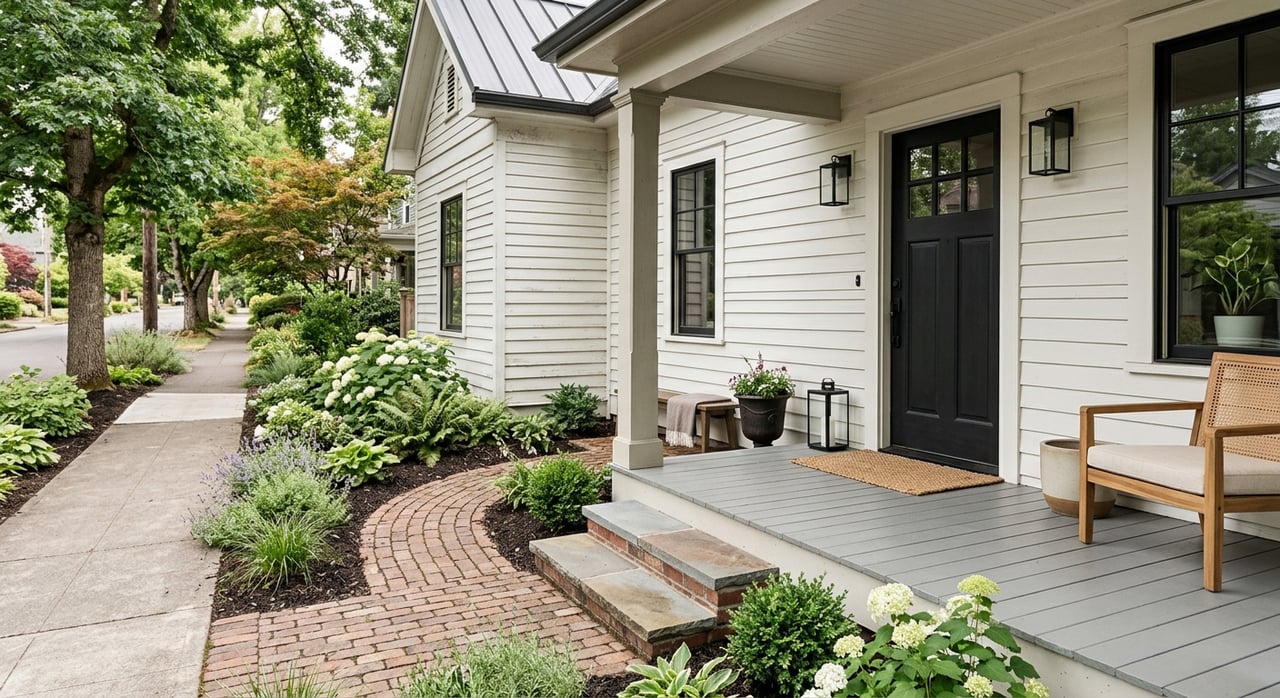
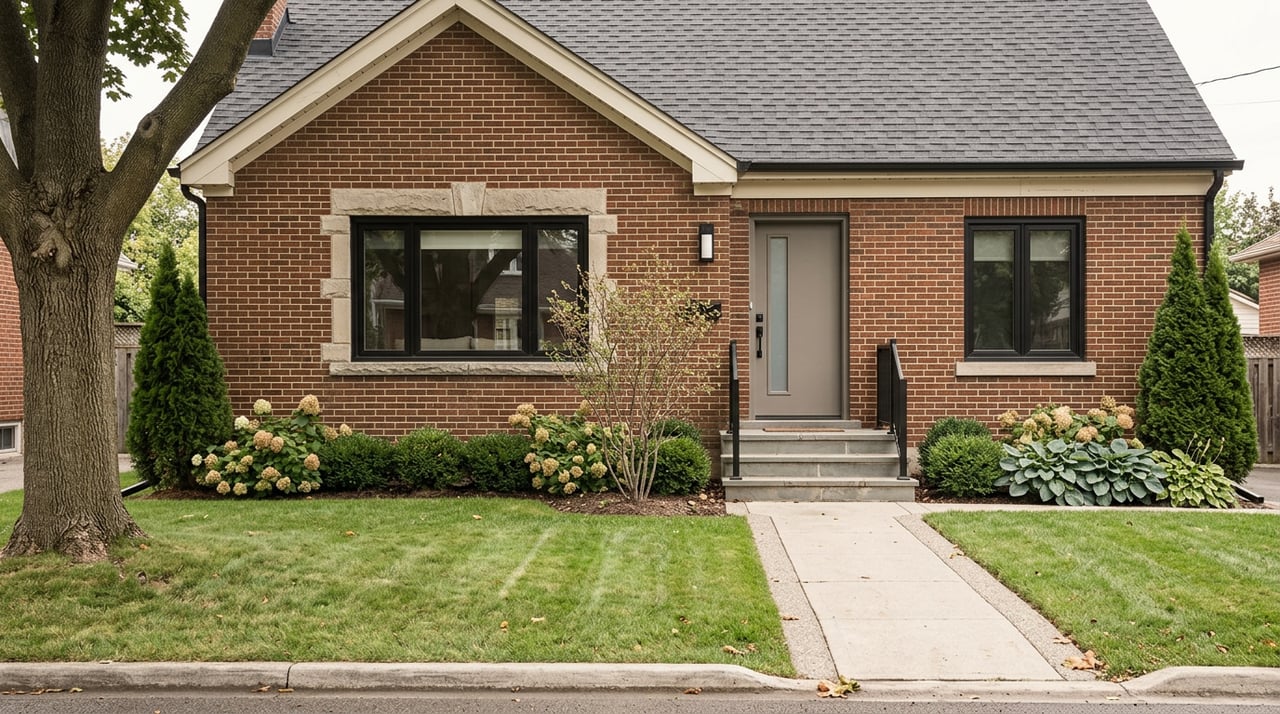
In Manlius, “older” often means 19th‑ or early‑20th‑century village homes, plus mid‑century ranch and colonial styles in nearby neighborhoods. The Village core includes a listed historic district with Greek Revival and Italianate examples. If you are drawn to tree‑lined streets and period details near Seneca and Pleasant Streets, explore the Manlius Village Historic District for context.
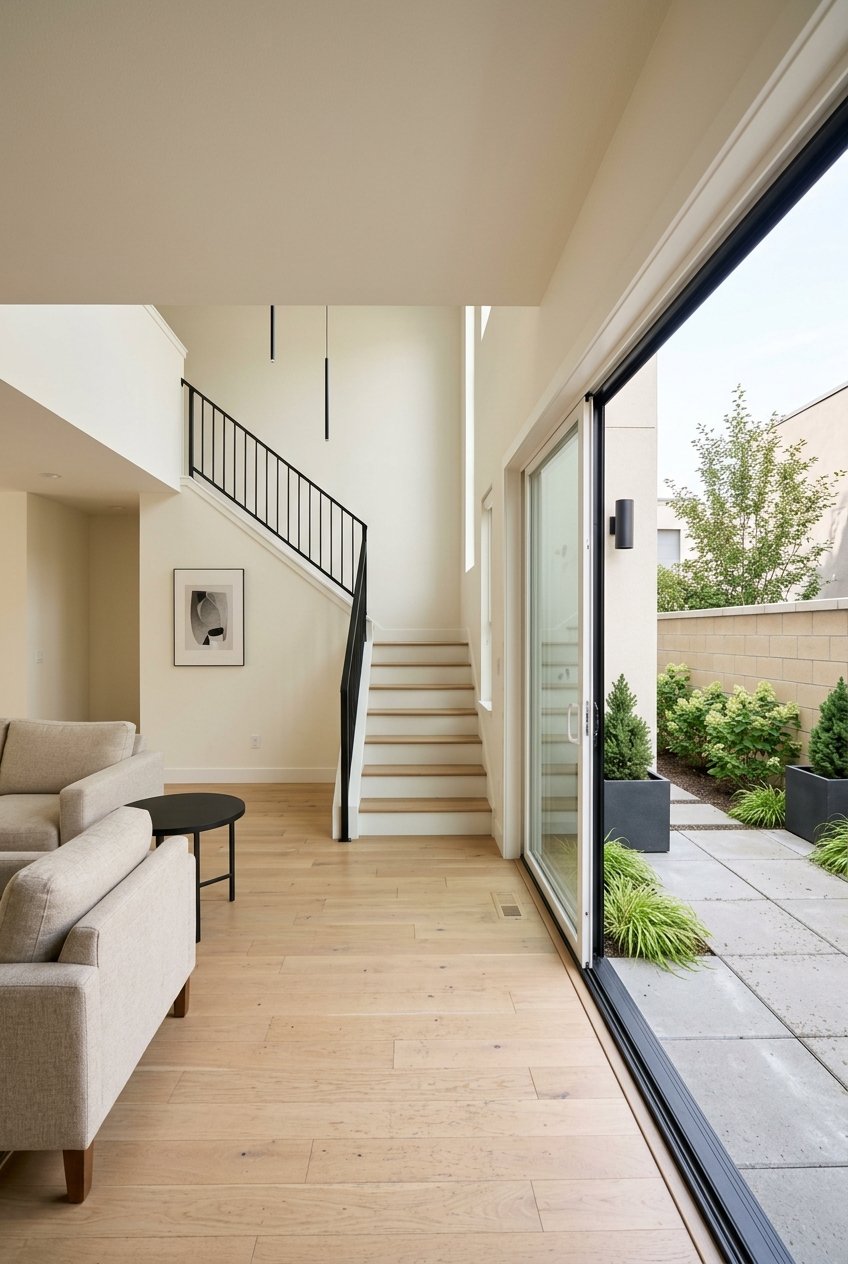
“Newer” typically refers to post‑1990 subdivisions and recent infill. These homes tend to have open layouts, modern mechanicals, and better insulation. Many are outside the village center where lots and driveways are larger and maintenance feels simpler.
On pricing, be clear about the metric you use. Zillow’s Home Value Index for 13104 was near 435,000 dollars as of January 31, 2026, which tracks broad value trends across the ZIP. Realtor.com’s median listing price snapshot was near 534,000 dollars in December 2025, which reflects asking prices at a point in time. Different data sets capture different parts of the picture.
Layout and daily living
Older homes: rooms with character
Older village homes often feature formal living and dining rooms, smaller kitchens that may have been remodeled over time, and higher ceilings. Millwork, mantels, and trim are part of the appeal. Opening up walls is possible, but load‑bearing changes call for an engineer and permits.
Newer homes: open and convenient
Most newer builds in Manlius offer open kitchen‑to‑family room flow, kitchen islands, and storage that supports busy lives. You will often see mudrooms, main‑level laundry, second‑floor laundry, and larger closets. Primary suites commonly have en‑suite baths, and the floor plan prioritizes sightlines and function.
Energy and mechanical systems
Efficiency advantages in newer builds
Newer construction typically complies with more recent building and energy codes, which means improved air sealing, insulation, and high‑efficiency HVAC. Certified new homes can reduce heating and cooling costs compared with typical older stock. If energy use matters to your budget, review ENERGY STAR guidance on new homes and ask sellers for recent utility history.
Upgrades that matter in older homes
Older Manlius homes can perform very well after targeted upgrades. Air sealing, attic insulation, window improvements, and efficient heat systems deliver outsized gains. New York State runs homeowner programs that can help with heat pumps, electrical panel upgrades, and whole‑home improvements. Check current options and eligibility on NYSERDA’s homeowner programs page.
What to expect with maintenance
Common items to check in older Manlius homes
- Roof age and structure. Central New York’s lake‑effect snow adds wear, so confirm shingle life and ventilation.
- Original windows and exterior cladding. Compare the cost to restore versus replace.
- Electrical systems. Some very old houses may have knob‑and‑tube or outdated panels, which can affect insurance. Learn the basics from this overview of old house wiring and get a licensed electrician’s estimate if suspected.
- Plumbing. Galvanized supply lines and older solder can need replacement. Hot water systems may be near end‑of‑life.
- Foundations and drainage. Freeze‑thaw cycles can cause settlement and moisture issues in basements and crawl spaces. If you see cracks or water intrusion, bring in a specialist.
Budgeting for upkeep
A simple rule of thumb is to set aside at least 1 percent of the home’s value per year for routine maintenance. Older or high‑finish homes may need 1 to 3 percent depending on age and condition. See the guideline summarized by The Balance and get property‑specific quotes from local contractors.
Permits, utilities, and inspections in Manlius
Permits and code compliance
For structural changes, additions, major mechanical work, or envelope upgrades, you will likely need permits. The Town of Manlius enforces New York State’s Uniform Code and the Energy Code. Review permit requirements on the Town’s code page, and if the home is inside the Village, confirm with Village of Manlius code enforcement. When you tour, ask for copies of past permits and certificates of compliance or occupancy.
Sewer or septic
Many properties in 13104 are within Onondaga County’s Consolidated Sanitary District, but not every parcel is connected. Always ask whether the home is on public sewer or a private septic system. To verify service and plan inspections, check Onondaga County WEP’s service area. If septic, budget for a dye test and a specialist inspection.
Health and safety add‑ons
- Radon. Onondaga County has high radon potential. Order a short‑term or continuous test during your inspection window and plan for mitigation if needed. See the EPA’s radon guidance and mapping.
- Lead paint. Homes built before 1978 may contain lead. Renovation work that disturbs painted surfaces requires a lead‑safe certified pro under the EPA’s RRP Rule. Review the EPA’s RRP program overview.
- Structural changes. If you plan to remove walls or your inspector flags deflection or cracks, involve a structural engineer before you waive contingencies.
- Energy audit. Consider a blower‑door test and energy audit before large envelope work. NYSERDA’s programs can help you plan and finance upgrades.
Financing, insurance, and negotiation
Government‑backed mortgages like FHA and VA include health, safety, and soundness checks in the appraisal. Roof condition, heat, electrical, and obvious hazards can become required repairs before closing. If you plan to use these loan types, pre‑screen big items early to avoid delays.
Insurance companies may limit coverage on homes with active knob‑and‑tube wiring or deteriorated roofs, or they may require upgrades within a set time. If you think a home has legacy electrical systems, get an early insurance quote and an electrician’s estimate. This article explains why old systems are not always “grandfathered” under modern standards: why old electrical components are often not accepted.
On incentives, state programs can defray some upgrade costs, but federal tax credits for many home energy improvements were available through December 31, 2025. Current IRS guidance notes changes after that date, so confirm eligibility for projects placed in service in 2025 versus 2026 and beyond. Start with the IRS Form 5695 instructions and consult your tax advisor.
A simple decision framework
Use this quick framework to decide what fits your life right now.
- Priorities. If you value historic details and are comfortable managing upgrades over time, an older home may be a rewarding path. If you want minimal near‑term projects and modern flow, focus on newer builds or fully remodeled homes.
- Total cost. Compare three baskets: purchase price, immediate repairs from inspection, and ongoing maintenance and energy. Use at least 1 percent of value per year as a starting point, and scale up for older properties.
- Time and disruption. Be honest about your schedule. If you need move‑in ready, a newer home or a recently renovated older home will reduce stress.
- When to bring in pros. Before you offer, ask for permit history, HVAC and roof ages, and sewer or septic status. During the contingency period, add specialists for radon, sewer scope, septic, lead risk, HVAC, and structure as needed. Secure written estimates for any items you plan to accept or use for credits.
Helpful resources
- Town of Manlius building code and permits: Town code page
- Village of Manlius code enforcement: Village code portal
- Sewer service checks and maps: Onondaga County WEP
- NY homeowner incentives and energy programs: NYSERDA programs
- Radon risk and testing guidance: EPA radon overview
- Lead‑safe remodeling in pre‑1978 homes: EPA RRP rules
Buying in Manlius should feel exciting, not overwhelming. If you want a clear plan for comparing homes, estimating true costs, and lining up the right inspectors and contractors, let’s talk. With renovation know‑how and local experience in 13104, I will help you move forward with confidence. Connect with Karen Blanding to schedule your free consultation.
FAQs
What are the key differences between older and newer homes in Manlius?
- Older homes offer period details and formal rooms, while newer builds favor open layouts, larger storage, and modern systems that often lower energy use.
How do I budget for maintenance on an older Manlius home?
- Set aside at least 1 percent of the home’s value each year for routine upkeep, and increase to 1–3 percent for older or high‑finish properties.
Are Manlius homes on public sewer or septic systems?
- Many parcels are served by Onondaga County’s sewer district, but not all; always verify service with the listing or the county’s WEP service map and plan inspections if septic.
Do I need special inspections for an older house in 13104?
- Yes. In addition to a general inspection, consider radon testing, a sewer scope, septic testing if applicable, lead‑paint risk checks for pre‑1978 homes, and a structural engineer if walls will be removed.
How do permits work for renovations in the Town or Village of Manlius?
- Structural, mechanical, and major envelope work typically require permits; ask for past permits and certificates, and confirm requirements with Town or Village code offices.
Are energy incentives available for upgrades in older homes?
- New York State offers programs for heat pumps, insulation, and related improvements, though eligibility and funding vary; start with NYSERDA and confirm details before you plan work.