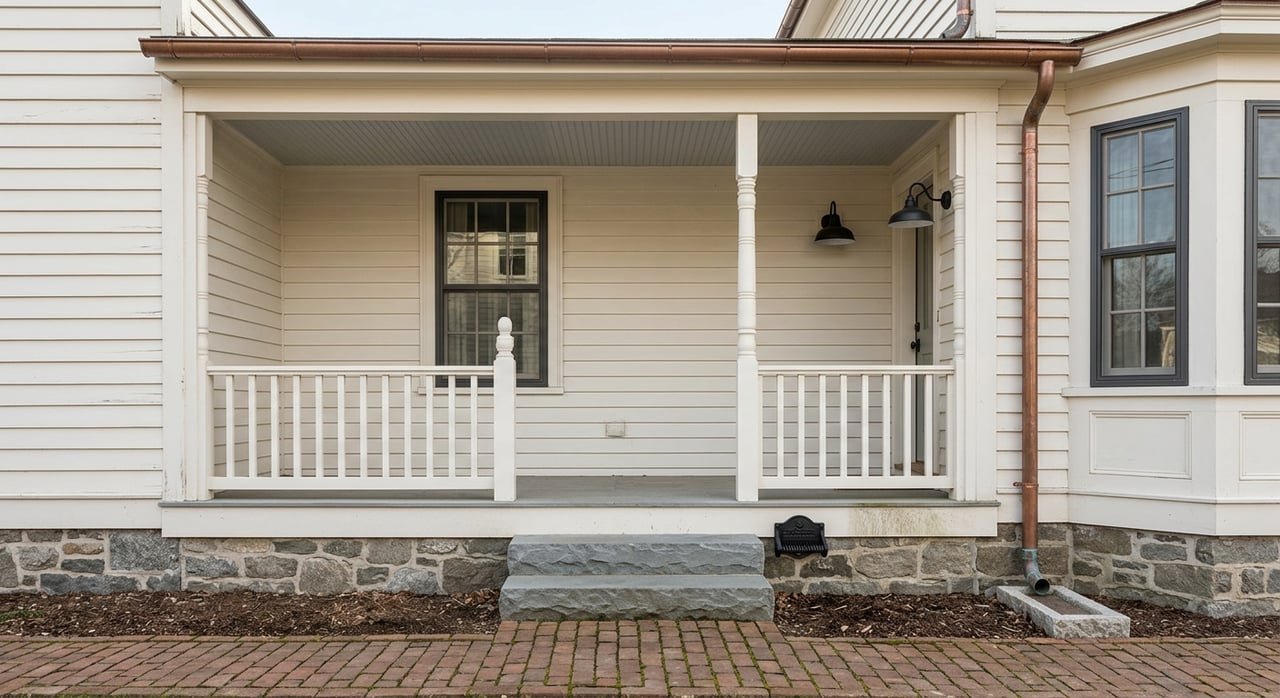
Love the look of an old house, but worried about what comes with it? In Cazenovia, that question matters because so much of the village’s appeal is tied to homes with real architectural history. If you are thinking about buying a historic home here, it helps to understand what gives these properties their charm, what kind of upkeep they often need, and where costs can rise quickly. Let’s dive in.
Why Cazenovia Historic Homes Stand Out
Cazenovia’s village identity is closely connected to its architecture. According to the Village of Cazenovia history, the area was founded in 1793, and streets like Albany Street and Lower Lincklaen Street still show clear examples of early American building styles.
That local history is part of why the housing stock feels so distinctive. The village points to 1820s and 1830s Greek Revival houses, the 1847 Gothic Cottage, and later lake-area homes tied to Cazenovia Lake’s resort era. The Albany Street Historic District also reflects a long period of development from 1800 to 1924, which helps explain why homes here often feel layered rather than uniform.
What Character You May See
In Cazenovia, historic homes often mix features from different periods. Official records for the Roswell Beckwith Sr. House describe an early 1804 timber-frame home with Federal-style details, while village history highlights Greek Revival as a major village style.
You may also see later homes with more eclectic design. York Lodge, for example, is documented as a 1904 house combining Colonial Revival, Gothic, and Tudor Revival elements. In practical terms, that means you might tour a home with a symmetrical main block, strong rooflines, front porches, and later additions or updates that reflect another era.
Common Features Buyers Notice
When you walk through a historic home in Cazenovia, you may notice:
- Gable-end forms and strong roof shapes
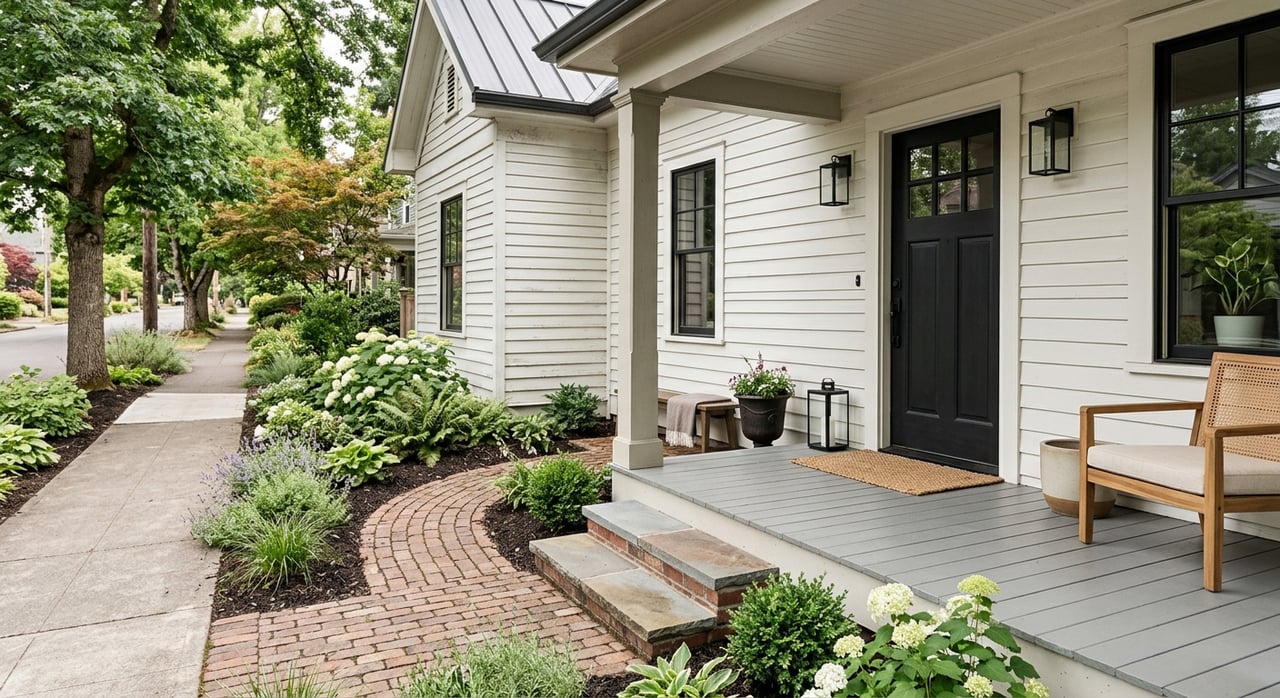
- Front porches and inset entry details
- Symmetrical facades in earlier homes
- Additions or wings built in later decades
- A mix of original architecture and newer mechanical upgrades
That mix is often part of the appeal. It can also be part of the challenge when you are trying to understand maintenance needs and future renovation costs.
Where Maintenance Costs Usually Start
With older homes, the first concern is often not finishes. It is the building envelope.
The National Park Service describes the exterior skin of a historic home as the roof, chimney, exterior walls, windows, porches, doors, and above-ground foundation. Its guidance warns that neglecting those areas can lead to much more expensive repairs later, especially when moisture gets in through roofing, drainage, or wall systems. You can review that framework in the NPS Roof to Foundation guidance.
For a Cazenovia buyer, that means water management should be high on your list from day one. Ice dams, clogged gutters, poor drainage, and moisture intrusion can all turn a manageable repair into a major project if they are not caught early.
Key Cost Areas to Watch
If you are budgeting for a historic home, pay close attention to these areas:
- Roof condition and signs of leaks
- Gutters and downspouts
- Chimney masonry
- Foundation drainage
- Exterior wood or masonry surfaces
- Window condition and air leakage
- Porch structure and weather exposure
These are not always the flashiest line items, but they often drive the biggest repair costs over time.
How Updates Usually Make Sense
A lot of buyers assume an older home should be updated room by room. In reality, the better sequence is usually more practical: stop leaks, improve comfort, then upgrade systems.
The National Park Service recommends a whole-house energy audit before weatherization work. That kind of review can identify air leaks around windows, doors, foundations, and plumbing or electrical penetrations. The same guidance notes that storm windows and careful air sealing can be more cost-effective than immediate full replacement in some historic homes.
That matters because many older homes have less insulation than newer ones. At the same time, NPS cautions against sealing historic buildings too tightly, since ventilation still matters.
A Smart Update Order
If you buy a historic home in Cazenovia, a practical update plan often looks like this:
- Address roof, drainage, and moisture issues
- Evaluate air leaks and insulation needs
- Improve comfort with weatherization strategies
- Review plumbing, electrical, and HVAC systems
- Plan cosmetic changes after core systems are stable
This order can help you protect the house first, then make it more comfortable and efficient without creating avoidable problems.
Mechanical Systems Can Shift the Budget
Historic homes are rarely just cosmetic projects. The National Park Service notes in its treatment guidelines for preservation and rehabilitation that older buildings often need system-related work such as new pipes and ducts, rewiring, or boiler and HVAC improvements.
That is why your true budget should include more than the purchase price. Even if a home is beautiful and structurally appealing, older systems can change the cost picture quickly.
If the property was built before 1978, there is another important layer. The EPA warns that renovation, repair, or painting in pre-1978 homes can create dangerous lead dust, and paid contractors working on those homes must use lead-safe work practices. For buyers, this means project planning should account for both repair scope and safe execution.
Cazenovia Approvals Matter Too
In some parts of Cazenovia, your project planning may need to include local historic review. Village records show a Chapter 180 Historic Preservation Overlay District, and the village’s Historic Preservation/Architectural Review Committee has authority related to certificates of compliance in that district.
Recent village records also show the Planning Board and HPC reviewing projects together. That means exterior changes in or near the historic core may need review before plans move forward. You can see that process reflected in the village records and meeting materials.
Changes to Discuss Early
Before finalizing plans, ask whether review may apply to:
- Windows
- Siding
- Porches
- Additions
- Other visible exterior alterations
It is much easier to confirm this early than to redesign a project later.
Tax Credits and Local Preservation Resources
If a property is listed on the State or National Register, or may be eligible, it is worth contacting New York SHPO early. SHPO staff may already have documentation on similar properties and can advise whether a home is a candidate for listing or other preservation options.
For cost planning, New York’s Historic Homeownership Rehabilitation Tax Credit can equal 20% of qualified rehabilitation expenses for owner-occupied historic homes. The program has rules, including location requirements, at least $5,000 in qualified expenses, and project approval before work begins.
Cazenovia also has local preservation support. The Cazenovia Preservation Foundation says it protects historic building facades through easements and has hosted homeowner seminars in the historic district. The research also notes that Cazenovia Heritage offers limited residential grants and a 2025 grant program for eligible restoration work.
These resources do not replace inspections, permits, or contractor estimates. They can, however, help you better understand what is historically appropriate and what support may be available.
How to Shop Smarter for a Historic Home
If you are serious about buying a historic home in Cazenovia, your due diligence should go beyond a typical showing. Charm is easy to spot. Cost drivers take a little more work.
Start with a standard home inspection, then consider a separate energy audit or weatherization review if the house feels drafty or underinsulated. Ask direct questions about the roof, gutters, downspouts, chimney, foundation drainage, windows, electrical and plumbing penetrations, and the age and condition of heating and cooling systems.
If you are planning to open walls, replace finishes, or make visible exterior changes, bring those conversations up early. It is helpful to compare repair-first options with full replacement and understand whether local review or preservation considerations could affect the plan.
The Bottom Line on Character, Care, and Cost
Historic homes in Cazenovia can offer remarkable character, from Federal and Greek Revival details to later lake-era and eclectic design influences. That architectural depth is a big part of what makes the village memorable.
At the same time, ownership costs are often shaped by moisture control, the condition of the building envelope, aging mechanical systems, and the need for thoughtful planning before major updates. If you go in with clear eyes and a strong inspection strategy, you can make a more confident decision about whether a historic home fits your budget and goals.
If you want practical guidance on evaluating an older home, planning updates, or understanding what a property may really require after closing, Karen Blanding can help you think through the details with a calm, renovation-informed approach.
FAQs
What makes historic homes in Cazenovia, NY unique?
- Historic homes in Cazenovia often reflect multiple eras of architecture, including Federal, Greek Revival, Gothic, Italianate, and later eclectic influences tied to the village core and Cazenovia Lake development.
What should buyers inspect first in a Cazenovia historic home?
- Buyers should closely inspect the roof, gutters, chimney, windows, porches, exterior walls, foundation drainage, and major mechanical systems because those areas often drive repair costs.
Do historic homes in Cazenovia, NY require special approval for exterior changes?
- Some properties in or near the historic core may be subject to local historic review, so it is smart to verify requirements for exterior work such as windows, porches, siding, or additions before finalizing plans.
Are there tax credits for historic home rehabilitation in New York?
- Yes. New York offers a Historic Homeownership Rehabilitation Tax Credit equal to 20% of qualified rehabilitation expenses for eligible owner-occupied historic homes, but project approval must happen before work begins.
Are older historic homes in Cazenovia more expensive to maintain?
- They can be, especially if they need envelope repairs, system upgrades, moisture-control work, or lead-safe renovation practices for pre-1978 construction.