Buying your first home in Baldwinsville can feel exciting and a little overwhelming. You want a clear path, real numbers, and someone local to explain what actually happens from tour to keys. In this guide, you’ll learn what homes cost in 13027, where you’ll likely shop, how the New York contract works, what to budget, and which local resources can help. Let’s dive in.
Baldwinsville market at a glance
Recent aggregator snapshots show mixed numbers for 13027. A recent median sold price sits around the low $260Ks, while some automated value models show typical values closer to the low $300Ks, and current median listing prices run higher because many active listings are larger or newer. That spread is normal because each site measures different things. For your offer strategy, recent closed sales in your target neighborhood are the best guide, and those figures change over time.
Speed varies by price band, condition, and neighborhood. Some homes linger for a few weeks while well-priced, move-in-ready listings can go pending quickly. Plan to review new listings often and act fast when the right one appears.
Here are typical price bands you will see:
- Entry-level options: smaller village homes, older 1–2 bedroom properties, and occasional condos in the low-to-mid $100Ks up to the $200Ks.
- Most common first-time range: mid $200Ks to mid $300Ks for many single-family homes.
- Newer or larger homes: $350K–$500K and above, including newer construction pockets and renovated properties.
Numbers move with the market. Check current comps with a local agent before you write.
Where you will shop in 13027
Village core homes
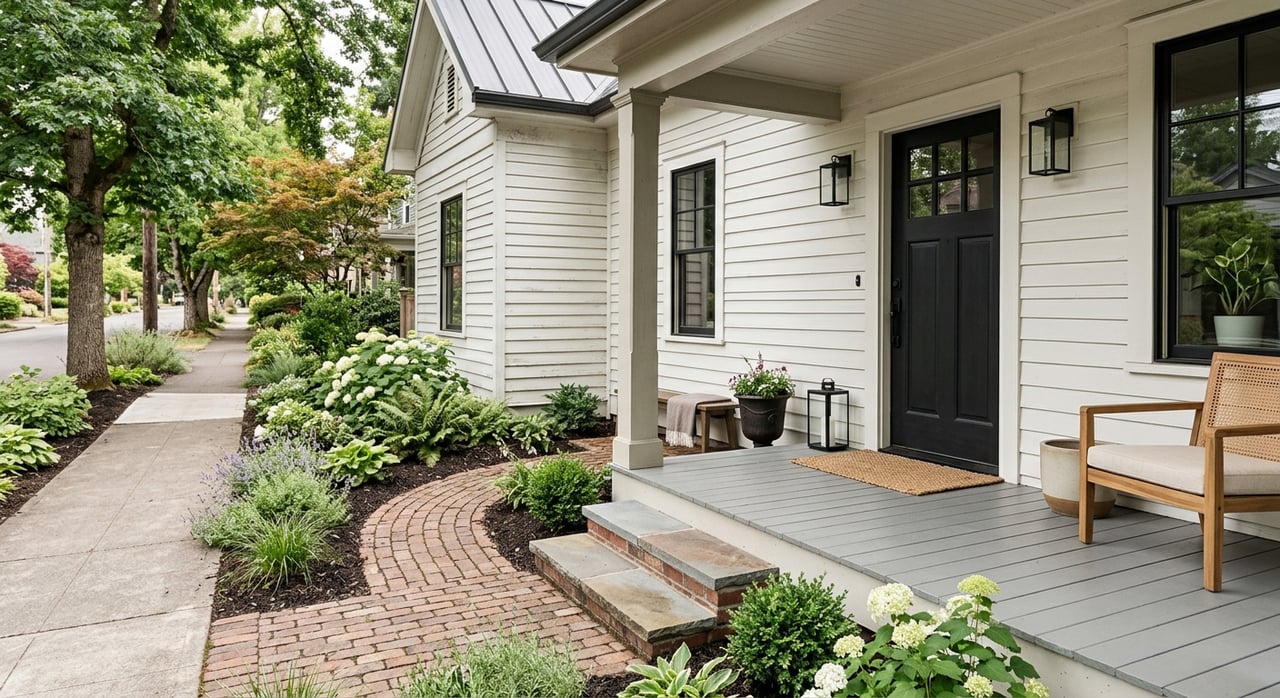
In the heart of Baldwinsville, you’ll find older two-story houses, early 20th-century styles, and character homes on smaller lots with walkable amenities and riverfront proximity. Expect a range of conditions, from lightly updated to full-renovation candidates. For a feel of the village setting, explore the official village site and events at the Village of Baldwinsville.
Radisson and nearby subdivisions
Much of the surrounding inventory includes planned subdivisions with 1980s–2000s colonials, ranches, and split-levels, plus pockets of newer custom builds. The Radisson community offers neighborhood amenities like trails and recreation that many buyers value. Learn more about the community setting and amenities through local builder and community references such as HBRCNY’s Radisson overview.
Step-by-step buying path
Get pre-approved early
A full pre-approval shows sellers you are qualified and helps you set a clear budget. If you are exploring low-down-payment options, review SONYMA first-time buyer programs and down-payment assistance with a participating lender. Program offerings and eligibility vary, so read through the options on the SONYMA program page and ask a lender which fits your goals.
Consider homebuyer education and local counseling
Some assistance programs require education, and many buyers find it helpful for budgeting and paperwork. Home HeadQuarters in Syracuse offers classes, counseling, and certain down-payment or closing-cost help in Onondaga County. Explore services and schedules at Home HeadQuarters.
Tour with a plan
Bring a short checklist on each tour: roof age, windows, mechanicals, foundation, and layout flow. In the village core you may see older systems that need updates. In subdivisions, you may encounter 1990s originals that are due for replacements. If a home is older or shows potential concerns, plan for specialized inspections in addition to the general inspection.
Write a strong, clear offer
When your offer is accepted in New York, you move toward a written purchase agreement. For most 1–4 family residential sales, sellers must provide the Property Condition Disclosure Statement before you sign a binding contract. If the form is not provided, the buyer is typically entitled to a $500 credit at closing. Review the statute to understand what the disclosure covers in New York Real Property Law § 462. This disclosure is helpful but not a substitute for a thorough inspection.
Know your contingencies
Contingencies protect you and shape your risk level:
- Home inspection contingency allows you to inspect and negotiate items based on findings.
- Mortgage financing contingency protects you if you cannot obtain the agreed loan terms.
- Title and survey review ensures you receive clear title.
In competitive situations, some buyers shorten timelines or remove certain protections. As a first-time buyer, speak with your agent and a local real estate attorney before waiving any contingency so you understand the tradeoffs.
From accepted offer to keys
Once the contract is signed and your loan file is moving, the lender orders an appraisal and completes underwriting. Your title company runs a title search and prepares closing documents. You will receive a Loan Estimate early in the process and a Closing Disclosure at least three business days before closing that lists all final costs, prepaids, and escrow deposits. To see how these documents work, review the CFPB’s Loan Estimate and Closing Disclosure examples.
Typical timelines from accepted contract to closing run 30 to 60 days, depending on loan type, appraisal scheduling, title clearance, and how quickly documents are completed. Be ready to schedule your inspection promptly and return lender paperwork quickly to keep things on track.
What to budget as a first-time buyer
Upfront and at-offer costs
- Earnest money deposit. This is held in escrow and applied to your funds at closing if the sale proceeds. Ask your agent or attorney about typical amounts and how the deposit is protected.
- Home inspection. Plan for a general inspection and, if relevant, septic, well, roof, or wood-destroying organism checks. General inspections often run about $300 to $600. Specialized inspections vary.
- Appraisal fee. Your lender orders this and discloses the fee on your Loan Estimate.
- Loan application and origination fees. These appear on your Loan Estimate as well.
- First year of homeowner’s insurance and initial escrow deposits. If your lender sets up an escrow account, you may prepay several months of taxes and insurance.
- Closing costs. In New York, buyers often see total closing costs in the low single-digit percentage range of the purchase price. A common planning range is about 2 percent to 4 percent, but amounts vary by program and property. For a breakdown, review this overview of closing cost components, then get a personalized Loan Estimate from your lender.
Ongoing monthly and annual costs
- Property taxes. Onondaga County tax bills are often higher than the national median, and the school district portion is a major component. Always look up the specific parcel’s current bill on the county portal at Onondaga County ImageMate. For county-level comparisons and context, see the Tax Foundation’s property tax data.
- Homeowner’s insurance and utilities. Ask your insurance agent for a quote early and request average utility figures when possible.
- Routine maintenance. Many advisers suggest setting aside about 1 percent of the home’s value per year for upkeep. Older homes or properties with deferred maintenance may need more.
- Mortgage insurance if you put less than 20 percent down. Program rules vary, so confirm requirements with your lender or review options on the SONYMA program page.
Taxes, schools, and due diligence
Before you commit to a property, verify the parcel details and tax obligations. Use the county portal at Onondaga County ImageMate to confirm assessed value, current tax bills, and the school district assignment shown for the parcel. Many 13027 addresses fall within the Baldwinsville Central School District. If you want to review school performance data, you can start with public profiles such as SchoolDigger’s page for a local high school. Always confirm attendance zones directly with the district.
Quick local checklist
- Get pre-approved and ask about SONYMA low-down-payment options and assistance. Visit the SONYMA program list.
- Take a homebuyer class or counseling if you plan to use assistance. See Home HeadQuarters.
- Save for inspections and closing costs, and request an early Loan Estimate. Review how estimates work at the CFPB’s comparison tool.
- Ask the seller for the Property Condition Disclosure Statement before you sign a binding contract. Learn more in RPL § 462.
- Book your inspection quickly if your offer is accepted, and talk through results with your agent and attorney.
- Confirm the parcel’s current tax bill and school district on Onondaga County ImageMate.
Ready to start in Baldwinsville?
With a solid pre-approval, a clear budget, and the right guidance on inspections and contract steps, you can buy with confidence in 13027. If you want a steady hand and practical advice on home condition, renovations, and value, connect with Karen Blanding to map your next steps.
FAQs
How much should I budget for closing costs in Baldwinsville 13027?
- A common planning range is about 2 percent to 4 percent of the purchase price, plus prepaids for taxes and insurance, which your lender will detail on the Loan Estimate and Closing Disclosure.
Are there down-payment or closing-cost programs in Onondaga County?
- Yes. Explore SONYMA first-time buyer loans and down-payment assistance, and check Home HeadQuarters for local classes and certain assistance options depending on eligibility.
What contingencies should a first-time buyer keep in a Baldwinsville offer?
- Most first-time buyers keep inspection, mortgage financing, and title review contingencies; talk with your agent and a local attorney before shortening or waiving any protection in a competitive situation.
How do property taxes and school districts affect my monthly payment in 13027?
- Taxes vary by parcel and district; the school portion is often the largest component, so look up the property on the county portal and include taxes in your monthly budget estimate.
How long does it take to close on a home in Baldwinsville?
- Many loans close in about 30 to 60 days after the contract is signed, depending on appraisal timing, underwriting, title clearance, and how quickly documents are completed.