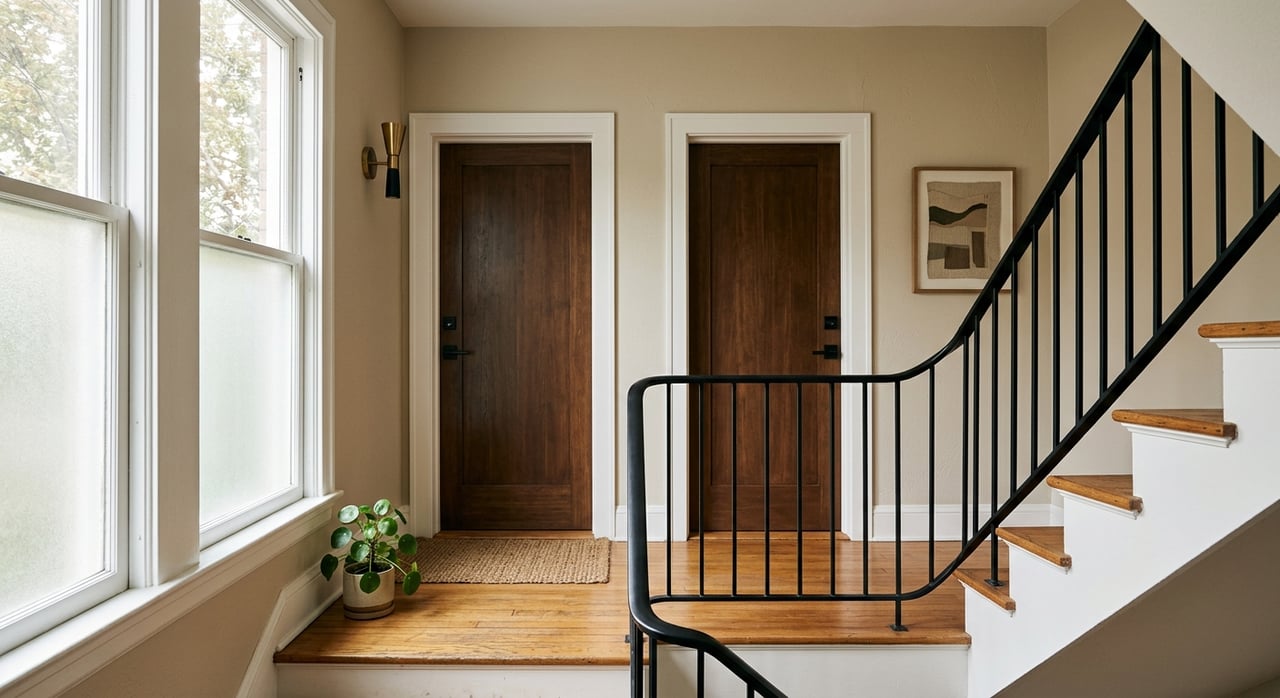
Buying a small multifamily in Galeville can be one of the most practical ways to lower your housing cost, but only if you run the numbers carefully. If you are thinking about living in one unit and renting the others, you are not alone in looking for a smarter path to ownership in Central New York. This guide will show you how house hacking works in the Galeville area, what kinds of properties you may find, and what to verify before you make an offer. Let’s dive in.
What house hacking means in Galeville
House hacking usually means you buy a property with two to four units, live in one unit, and rent out the other unit or units. The goal is simple: use rental income to offset your monthly housing cost while you build equity.
For Galeville, that conversation needs a little context. The Galeville census place and ZIP code 13088 are not the same geography, so market stats should be read carefully. According to Census Reporter’s Galeville profile, Galeville has about 4,200 residents and 2,107 housing units, while ZIP 13088 is much larger.
Small multifamily stock is limited
If you are hoping for rows of similar duplexes and triplexes to compare, that is probably not what you will see in Galeville. Detached homes make up most of the housing stock, while 2 to 4 unit properties represent a smaller slice of the market.
Point2Homes demographics for Galeville show 85 two-unit buildings and 51 three- or four-unit buildings out of 2,107 total housing units. That means 2 to 4 unit properties make up about 6.5% of the local housing stock. In practice, that often means you are evaluating one building at a time rather than shopping a large pool of near-identical options.
What property types to expect
The most common opportunities in this category are:
- Duplexes
- Triplexes
- Fourplexes
The layout matters as much as the unit count. A small multifamily might be side-by-side, up-and-down, or stacked in a way that changes privacy, utility setup, and maintenance needs.
When you tour these properties, pay close attention to:
- Separate entrances
- Utility separation
- Basement access
- Noise transfer between units
- Parking and access flow
- Which unit you would occupy
- Whether the owner unit is the most updated or comfortable space
Why Galeville can fit the house-hack model
The broader ZIP 13088 offers some useful context for rental demand and housing mix. According to ZIP-Codes.com data for 13088, 34.8% of housing units in the ZIP are multifamily, 58.81% are owner-occupied, 41.19% are renter-occupied, and vacancy is 4.14%.
Those numbers do not mean every property is a great investment. They do suggest that rental housing is a meaningful part of the local market, which matters if you are planning to offset your mortgage with rent from another unit.
The same ZIP-level source reports a median home value of $174,400 and a median gross rent of $1,157. That creates a useful starting point for buyers who want to compare a traditional single-family payment with the possibility of owning a duplex, triplex, or fourplex.
Use rent benchmarks carefully
One of the biggest mistakes buyers make is assuming best-case rent before they even own the building. In Galeville and 13088, a more conservative approach is the smarter one.
In ZIP 13088, rent distribution data shows that 54.77% of renter households pay $1,000 to $1,499 per month, and 9.24% pay $1,500 to $1,999. That makes the low-$1,000s a reasonable benchmark band when you start underwriting many duplex or triplex units.
You can also compare those local figures with regional rent benchmarks. HUD Fair Market Rents for the Syracuse MSA list FY2026 rents of $1,392 for a 2-bedroom, $1,691 for a 3-bedroom, and $1,848 for a 4-bedroom unit. Since the Syracuse MSA includes Onondaga County, these numbers can help frame your analysis, but your final estimate should still be based on the actual unit, layout, and condition of the property.
A simple underwriting framework
If you are considering house hacking, keep your math straightforward and conservative. A practical framework looks like this:
- Gross scheduled rent = market rent for each unit
- Effective gross income = gross scheduled rent minus vacancy or credit loss
- NOI = effective gross income minus operating expenses
- Owner-occupant housing cost = total carrying cost minus rent collected from the other unit or units
Here is the key mindset: do not underwrite the property based on the highest possible rent. Start with the lower end of the local rent band for at least one unit, assume some vacancy, and treat anything above that as cushion rather than guaranteed profit.
Older housing means more due diligence
Galeville’s housing stock is relatively mature, which can create opportunity for buyers who are open to repairs or updates. It also means inspections and contractor walk-throughs matter even more.
Point2Homes reports a median construction year of 1956 in Galeville, with 10.2% of homes built before 1940 and 11.9% built in the 1940s. In older small multifamily properties, issues with roofing, windows, plumbing, heating, electrical, insulation, and drainage can show up early in due diligence.
That does not mean you should avoid older buildings. It means you should price the real scope of work before you commit.
Rehab financing may open more options
If you find a duplex or triplex with strong layout potential but obvious deferred maintenance, rehab financing may be worth exploring. HUD’s 203(k) program allows purchase or refinance plus rehabilitation for eligible homes that are at least one year old, including two- to four-family properties.
HUD explains that Standard 203(k) is designed for major rehab or repairs with a $5,000 minimum repair cost and a required consultant. Limited 203(k) is for minor non-structural repairs up to $75,000, with the consultant optional.
HUD also lists eligible improvements such as:
- Plumbing
- Heating and air conditioning
- Electrical systems
- Roofing
- Siding
- Gutters and downspouts
- Structural repairs
- Accessibility improvements
For buyers in Galeville, that matters because many viable small multifamily opportunities may need updates before they perform the way you want them to.
FHA owner-occupant rules matter
For many first-time house hackers, FHA financing is part of the conversation. The Consumer Financial Protection Bureau notes that FHA can work for a duplex purchase when you plan to live in one unit and rent the other, as long as the building has no more than four units and you buy the entire building.
That same CFPB guidance also notes that loan limits are higher for multi-unit properties. If your goal is to reduce your own housing cost through rental income, this owner-occupant structure is the classic house-hack setup.
Zoning should never be assumed
One of the most important local checks is zoning. Just because a property looks like it could function as a duplex or triplex does not mean the current use is permitted.
The Town of Salina zoning code includes one-family, one- and two-family, and multiple-residence districts, with different rules depending on the district. The code also notes a separate planned unit development path in some cases.
The practical takeaway is simple: verify the parcel-specific zoning and current legal use before you move forward. Do not assume that every property in 13088 can legally operate as a small multifamily.
Lead-safe compliance is a real issue
Because much of Galeville’s housing predates 1978, lead-safe practices need to be part of your due diligence. The EPA’s lead safety guidance explains that homes built before 1978 are more likely to contain lead-based paint, and renovation work can create hazardous dust.
EPA also notes that contractors working on pre-1978 housing must be lead-safe certified in covered situations, and sellers or landlords generally must provide lead disclosures for most pre-1978 housing. If you are buying an older duplex or triplex and planning renovations, this is not a side detail. It should be part of your budget, timeline, and contractor screening.
What to verify before making an offer
When a small multifamily hits your radar, focus on the building first and the story second. A property can sound exciting on paper and still fall apart under real due diligence.
Before you write an offer, verify:
- Legal use and zoning compliance
- Current lease terms, if units are occupied
- Realistic market rent for each unit
- Utility setup and who pays what
- Roof, windows, plumbing, heating, and electrical condition
- Basement moisture or drainage issues
- Lead disclosure history for pre-1978 buildings
- Whether rehab can be rolled into financing
This is where having the right local team matters. A lender, inspector, and contractor who can price the specific building, not just speak in generalities about the neighborhood, can save you from costly assumptions.
Why working with renovation-informed guidance helps
In a market like Galeville, small multifamily opportunities are often won or lost in the details. The best property is not always the prettiest one on day one. Sometimes it is the building with solid fundamentals, realistic rents, and a repair plan you can actually execute.
That is where renovation experience can make a real difference. If you are comparing a cleaner turnkey duplex with an older building that may need roofing, electrical, or layout work, you want guidance that looks beyond surface finishes and helps you understand the true path from purchase to stable ownership.
If you are exploring house hacking or a small multifamily purchase in Galeville or ZIP 13088, Karen Blanding can help you evaluate property fit, due diligence priorities, and rehab-aware buying strategies with the practical, hands-on approach behind Remember the Red Door.
FAQs
Can you house hack a duplex in Galeville, NY?
- Yes. House hacking usually means buying a two- to four-unit property, living in one unit, and renting the other unit or units, subject to financing and zoning rules for the specific property.
Can FHA financing be used for a 2-4 unit property in Galeville?
- Yes. CFPB says FHA can support owner-occupied purchases of buildings with up to four units when you live in one unit and buy the entire building.
Are duplexes and triplexes common in Galeville, NY?
- They exist, but they are a limited share of the housing stock. Point2Homes data for the Galeville census place indicates that 2-4 unit properties make up about 6.5% of total housing units.
What rent should you assume for a small multifamily in ZIP 13088?
- A conservative starting point is the local low-thousands band. ZIP 13088 data shows most renter households pay between $1,000 and $1,499 per month, but actual underwriting should be based on the specific unit and condition.
What should you check before buying a multifamily in Galeville?
- Confirm zoning, legal use, realistic rent, utility setup, major system condition, and lead-safe issues for older housing before moving forward.
Can you finance repairs when buying an older multifamily in Galeville?
- Often, yes. HUD’s 203(k) program allows eligible buyers to finance purchase plus rehabilitation for qualifying one- to four-family properties that are at least one year old.