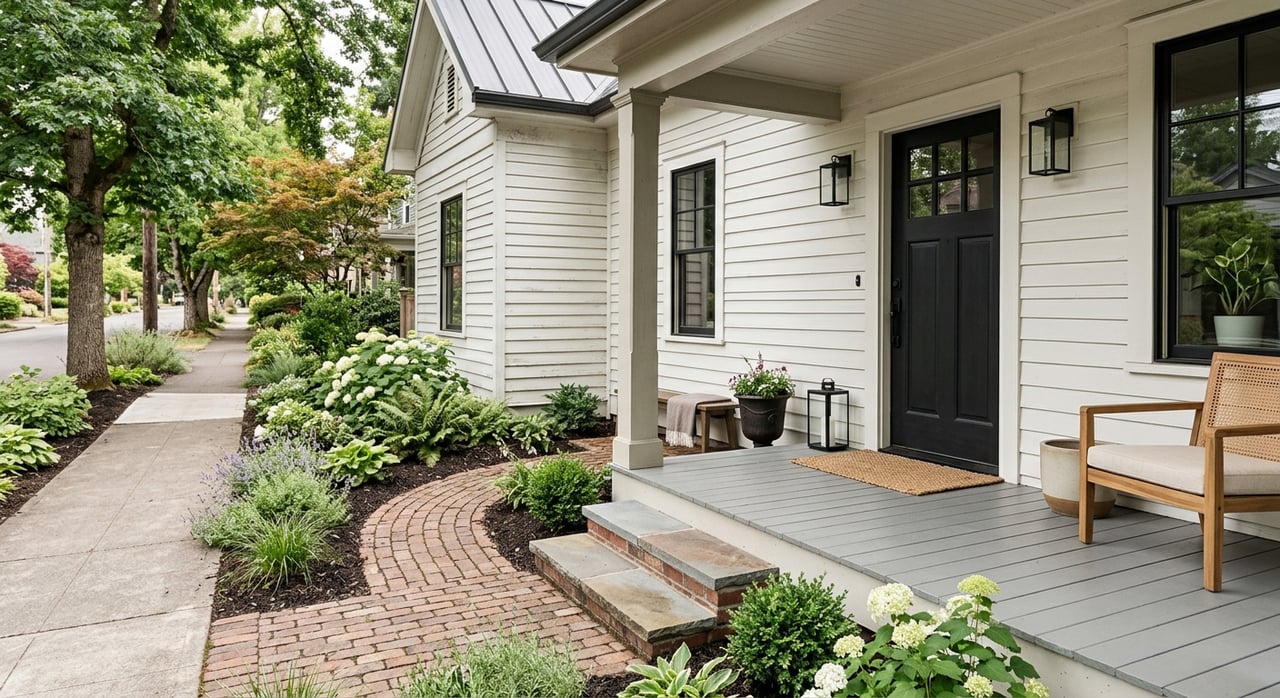
Wondering how you can compete for a home in Manlius without making a rushed or risky decision? You are not alone. In ZIP code 13104, homes can move fast and sellers may see multiple offers, which means your offer needs to feel strong, organized, and reliable from the start. The good news is that a winning offer is not always just about offering the highest number. With the right preparation, smart terms, and clear guidance, you can put yourself in a much better position. Let’s dive in.
Manlius market conditions matter
If you are writing an offer in Manlius, you need to understand the pace of the local market first. Public market reports vary in the exact numbers, but they point in the same direction: ZIP code 13104 is competitive and leans toward sellers.
Redfin describes 13104 as a very competitive market and reported a March 2026 median sale price of $367,500, with homes selling in about 27.5 days. Zillow reported an average home value of $456,979 and homes going pending in around 11 days, while Realtor.com reported a median listing price of $585,000, 57 homes for sale, and a 100% sale-to-list ratio. These figures measure different things, so they should be treated as directional, not identical.
Local reporting in Central New York supports that same overall picture. WAER, citing the Greater Syracuse Association of Realtors, reported that the region remains a sellers’ market, with bidding wars at times and homes averaging about 24 days on market. It also noted that homes priced too high can sit longer and become more negotiable.
Strong offers go beyond price
A high offer price can help, but it is rarely the whole story. Sellers also want confidence that your deal will actually close, stay on schedule, and avoid unnecessary surprises.
That means the strongest offer is usually a mix of price, financing strength, realistic timing, and clear terms. In a market like Manlius, a clean and credible offer can stand out even when competition is intense.
Financing certainty builds trust
Before you write an offer, it helps to have your lender workup completed and your financial documents up to date. The Consumer Financial Protection Bureau says preapproval helps you shop, but it is not a guarantee of funding, and preapproval letters can expire in 30 to 60 days.
That detail matters in a fast-moving market. If your letter is current and your lender is ready to move quickly, the seller may see you as a lower-risk buyer.
A solid cash position helps too. The CFPB notes that a larger down payment can lower loan costs and make approval more likely, and buyers should also set aside funds for closing costs, moving expenses, and a three- to six-month emergency cushion.
Earnest money shows seriousness
Earnest money is your good-faith deposit after a signed contract. According to the CFPB, that money can later be applied to your closing costs or down payment if the sale closes.
It also sends a message to the seller that you are serious. At the same time, earnest money should stay within your comfort zone, because it may be forfeited if you do not perform in good faith under the contract.
Flexible timing can help you win
In a competitive market, convenience matters. A seller may value a buyer who can match a preferred closing date, respond quickly to paperwork, and avoid adding unnecessary complications.
This is one of the simplest ways to strengthen your offer without automatically raising your price. If the seller needs a faster close, or a little more time, flexibility can make your offer more appealing.
What to have ready first
If you want to move fast when the right home hits the market, preparation is everything. Waiting to gather documents after you find the house can put you behind other buyers.
Before writing an offer on a Manlius home, make sure you have:
- A current preapproval letter
- Funds ready for earnest money and closing costs
- A clear idea of your maximum budget
- A realistic closing timeline you can accept
- A plan for how much risk you are willing to take on contingencies
This kind of readiness helps you act quickly without feeling chaotic. It also makes your offer package look more polished and dependable.
Contingencies protect you
In a hot market, buyers sometimes feel pressure to waive protections. That can make an offer look stronger on paper, but it can also expose you to expensive problems later.
The better approach is usually to stay competitive without becoming reckless. A smart offer protects your interests while still giving the seller confidence.
Inspection contingency
The CFPB recommends making your offer contingent on a satisfactory inspection and scheduling that inspection as soon as possible. If problems come up, you may be able to negotiate repairs or a credit, and if the contingency is in place, you can generally cancel without penalty if the results are unacceptable.
In New York, anyone performing home inspections of residential buildings for compensation must hold a Department of State home inspector license. That makes it especially important to use an independent licensed inspector if you move forward.
For many buyers, skipping the inspection entirely creates too much risk. This is especially true if you are buying an older home or a property that may need repairs.
Appraisal contingency
If you are using a mortgage, your lender will generally require an appraisal. The appraisal helps measure value for the lender and gives you another checkpoint before closing.
If the home appraises below the contract price, the CFPB says you may want to renegotiate or, depending on your contract, cancel the deal. Without an appraisal contingency, you may need to bring in extra cash to bridge the gap.
This is why appraisal and inspection are not the same thing. The inspection focuses on condition, while the appraisal focuses on value.
Financing contingency
The CFPB also says it is a good idea to make the purchase offer contingent on obtaining financing. If you cannot secure the loan, this contingency can help protect you from being forced to proceed anyway.
In a competitive market, some buyers are tempted to limit this protection. That choice should be made carefully and with a clear understanding of the risk.
Is the highest offer always best?
Not necessarily. In Manlius, where listings can attract quick interest and sale-to-list ratios can be tight, sellers may still choose the offer that feels most likely to close smoothly.
A slightly lower offer with strong financing, a current preapproval, fewer unnecessary requests, and timing that fits the seller’s needs may be more attractive than a higher offer full of uncertainty. Sellers are not only comparing numbers. They are also comparing confidence.
When escalation clauses may come up
In multiple-offer situations, some buyers use escalation clauses. This means your offer can increase above another offer by a set amount, up to a limit you choose.
That approach can help in a bidding war, but it should be used carefully. You need a firm ceiling that fits your budget and comfort level, because the point of a winning offer is to secure the home without overextending yourself.
Communication matters in New York
A strong offer is not just about paperwork. It also depends on how well your side communicates and coordinates through the process.
The CFPB notes that real estate agents may represent the buyer, the seller, or both, and that state law can require disclosure about who they represent. In New York, the Department of State says a buyer’s agent owes duties that include reasonable care, undivided loyalty, confidentiality, full disclosure, obedience, and a duty to account.
New York also allows dual agency only with informed written consent from both parties. If that situation comes up, the dual agent must clearly explain the conflict and obtain written acknowledgment.
For you as a buyer, the big takeaway is simple: clarity matters. You should know who represents you, how quickly your team can respond, and how the moving parts of the deal will stay on track.
A practical strategy for Manlius buyers
In a competitive market like 13104, the best offer is usually not reckless. It is thoughtful, complete, and easy for the seller to trust.
That often means:
- Offering a competitive price based on current market conditions
- Submitting a current preapproval letter
- Showing you have cash ready for earnest money and closing costs
- Keeping your contingency strategy thoughtful, not careless
- Matching the seller’s preferred timing when possible
- Staying organized and responsive from offer to closing
This kind of strategy gives you a better chance to compete while still protecting your future. You are not just trying to win the house. You are trying to win it on terms that still make sense for your life.
If you are buying in Manlius, it helps to have an experienced local guide who can help you weigh price, terms, condition, and risk in real time. That is especially valuable when a home may need updates, repairs, or a clear plan after closing. If you want practical advice and steady support as you prepare your next move, connect with Karen Blanding for the service and experience you deserve.
FAQs
What makes an offer strong on a Manlius, NY home?
- A strong offer usually combines a competitive price, current preapproval, solid cash reserves for closing costs and earnest money, realistic timing, and a smart contingency strategy.
Should you waive an inspection contingency in Manlius?
- Not unless you fully understand the risk. The inspection helps you learn about the home’s condition, and New York requires paid home inspectors of residential buildings to be licensed by the Department of State.
Should you waive an appraisal contingency when buying in 13104?
- Waiving an appraisal contingency can make your offer look stronger, but it may leave you responsible for extra cash if the home appraises below the contract price.
How current should your preapproval letter be before writing an offer?
- It should be current and ready to submit with your offer. The CFPB notes that preapproval letters can expire in 30 to 60 days.
Is the highest price always the best offer for a Manlius seller?
- No. Sellers may prefer an offer that looks more likely to close smoothly, especially if it has stronger financing, cleaner terms, and timing that works for them.
What is earnest money in a New York home purchase?
- Earnest money is a good-faith deposit made after a signed purchase contract. If the sale closes, it can usually be applied to your down payment or closing costs.